
Lessons That Travel
What I'm Excited to Learn in Elementary School
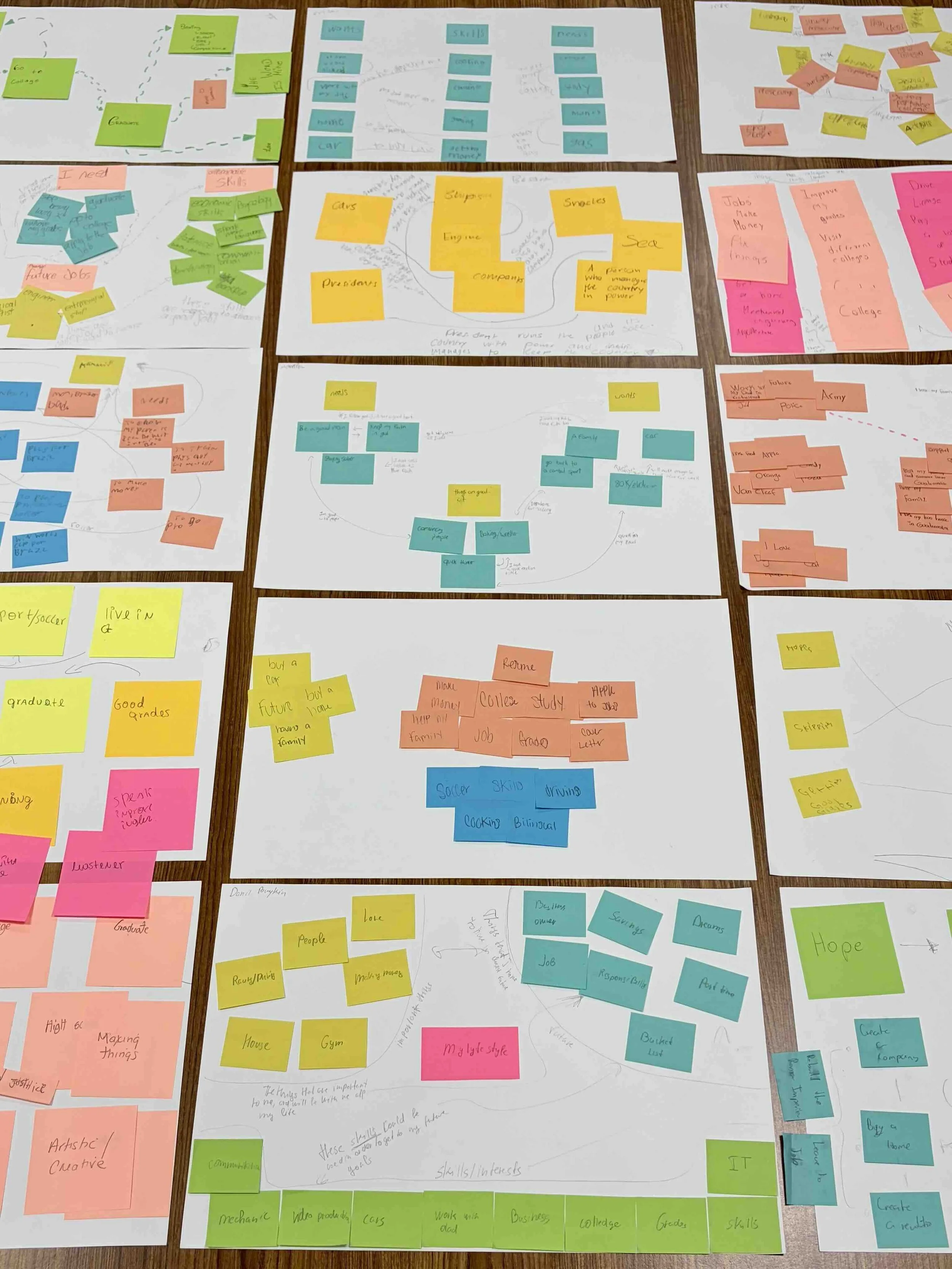
Some of my favorite visible thinking routines have worked well with every age and language level that I’ve worked with; others, not so much. Jon Hull
After ten years of teaching multilingual learners in middle and high school, this fall I'll be stepping into an elementary school role.
I'm more curious than nervous.
Every transition in my career — whether teaching in New York, Finland, Panama, or Connecticut — has reminded me that while educational systems differ, many of the best teaching ideas transcend them. I'm beginning to think the same is true of grade levels.
One of the reasons I'm excited about this transition is the opportunity to expand my own practice. I'm curious to see how elementary teachers structure talk, establish routines, and build academic language from the earliest grades.
In my own work supporting multilingual learners, I've found myself returning to these same principles again and again. Whether co-teaching science in Finland, supporting newcomers in Connecticut, or facilitating professional learning for teachers, the goal has remained consistent: reduce unnecessary barriers while maintaining high expectations.
That idea has surfaced in much of my writing over the past few years. My reflection on Manuela and authentic assessment explored how we can create opportunities for multilingual learners to demonstrate what they know, rather than what they struggle to express. My post on sentence scrambles examined one way to make academic language more visible and accessible. And when I wrote about Scarborough's Reading Rope, I was drawn to the way language, knowledge, and skilled reading develop together rather than in isolation. Different topics, but the same underlying belief: thoughtful scaffolds increase access without diminishing expectations.
That's different from lowering rigor.
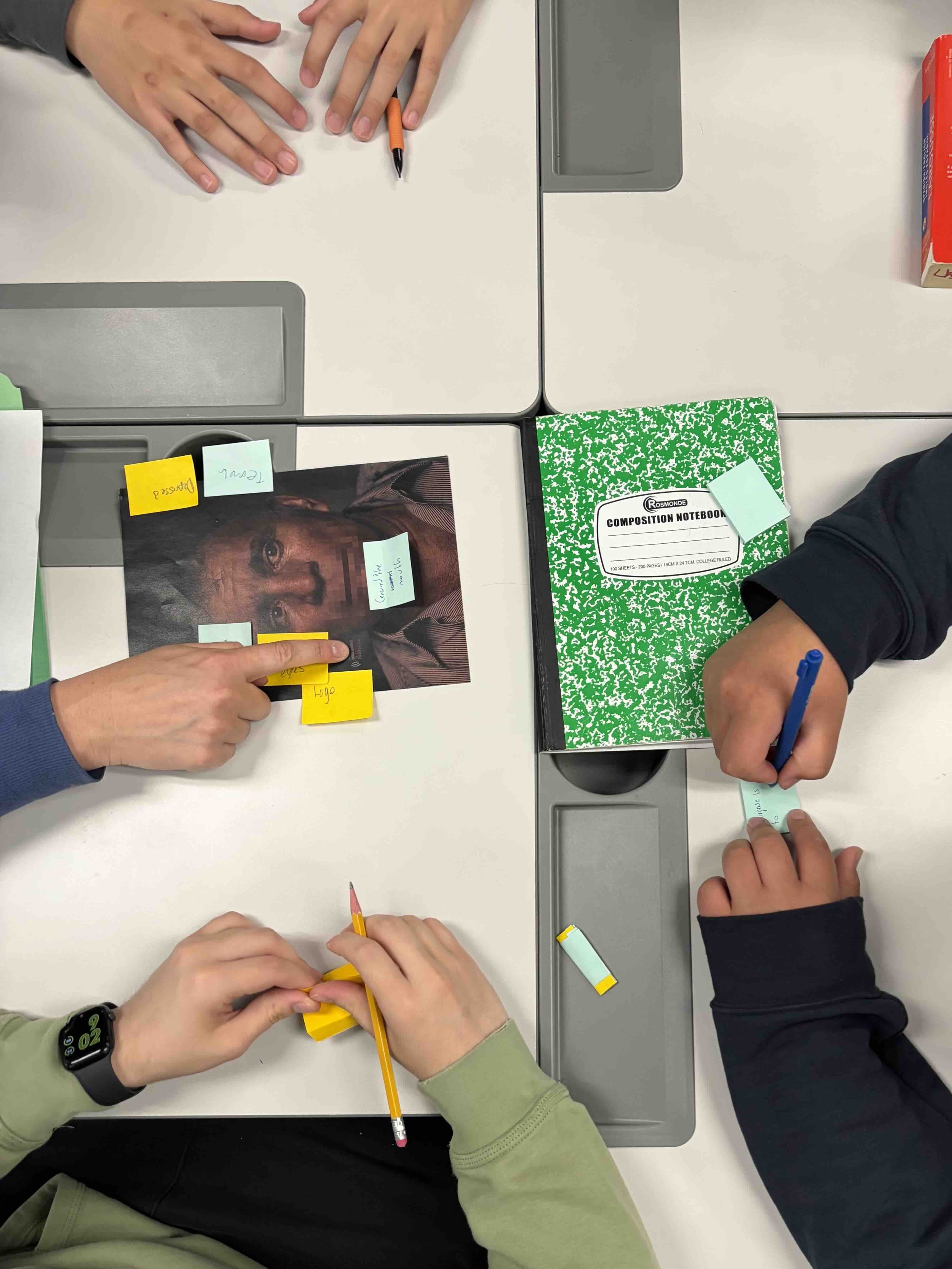
Students in my sheltered English class use a structured talk routine to comment on an impactful image from a mentor text.
Jon Hull
One of the questions I find myself asking when planning instruction is:
What thinking do I want students to do, and what language will help them do it?
When those two things are intentionally connected, multilingual learners (and often all students) have a better chance to participate meaningfully.
I suspect I'll discover that the strategies look different in an elementary classroom than they do in secondary settings. The anchor charts may be larger. The routines may be shorter and more frequent. Oral language may take center stage before writing.
But I also suspect the underlying principles will feel familiar. That's what I'm most looking forward to exploring this year.
As I settle into this new role, I'll use this space to reflect. I am eager to identify instructional ideas that travel well across grade levels, schools, and countries.
I expect some of my assumptions will change. I hope they do.
If there's one thing ten years in education has taught me, it's that some of the best professional learning begins with a big challenge and genuine curiosity.